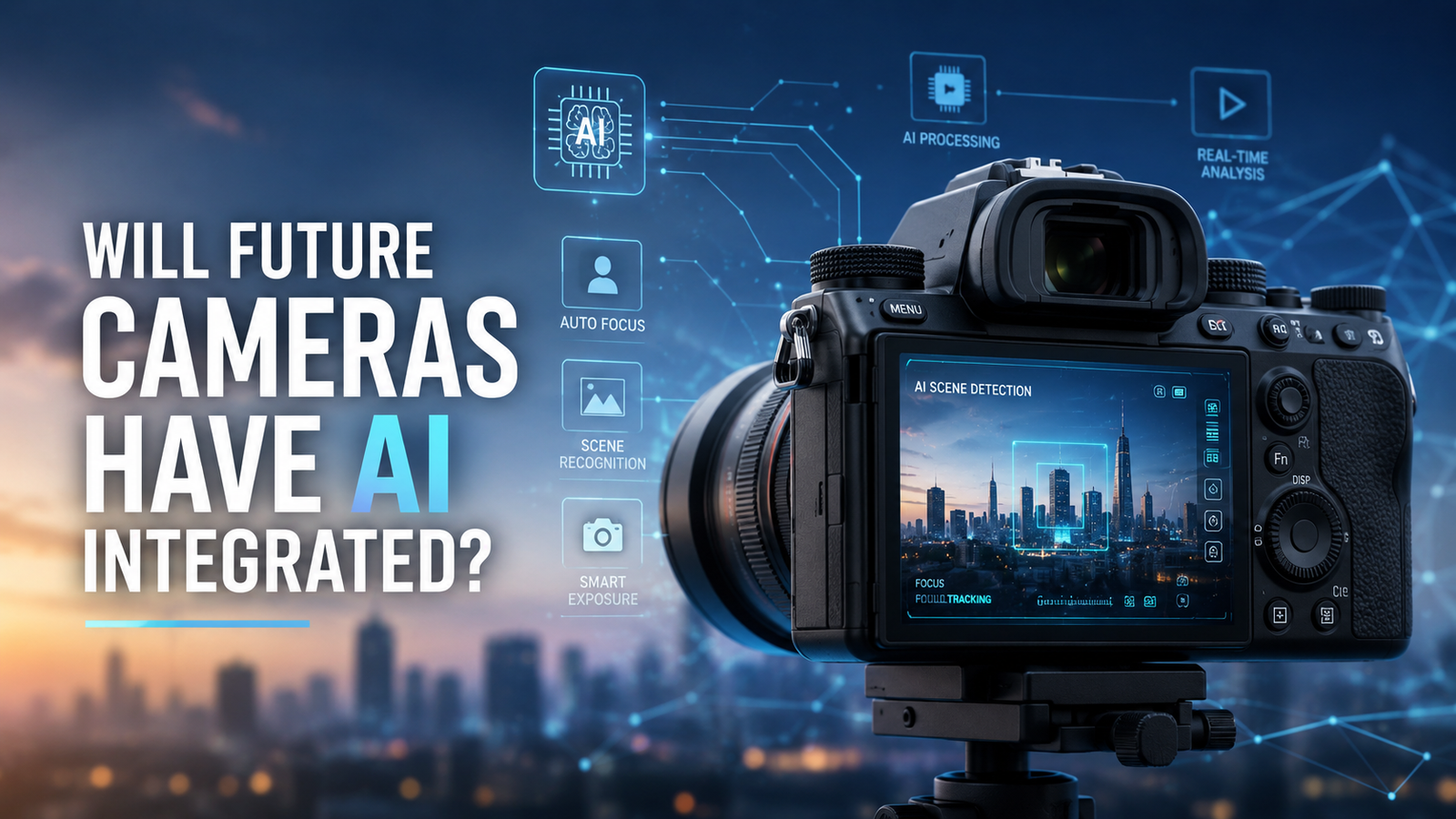
Cameras have changed dramatically over the last two decades. What started as simple point-and-shoot devices has evolved into highly advanced tools powered by software, sensors, and computational photography. Today, even smartphones can produce professional-looking images with minimal effort. As technology continues to evolve, artificial intelligence is becoming the next major leap in camera innovation.
AI is already quietly shaping how modern cameras operate. Features like face detection, automatic scene optimization, and real-time object tracking are powered by machine learning systems working behind the scenes. Most users may not notice it, but many cameras are already smarter than they were just a few years ago. The future suggests that AI integration will become deeper, faster, and far more personal.
For technology enthusiasts and content creators, this shift opens exciting possibilities. Cameras may soon act less like passive devices and more like intelligent creative assistants. While photographers still control the artistic vision, AI could simplify technical tasks and improve workflow efficiency. Thankfully, cameras are not planning world domination yet — they just want better lighting.
How AI Is Already Being Used in Cameras
Many modern cameras already include AI-driven functions without heavily advertising them. Autofocus systems in mirrorless cameras can recognize human eyes, animals, vehicles, and even birds in flight. This technology helps photographers capture sharper images in situations that were once difficult to manage manually. Sports and wildlife photographers especially benefit from these intelligent tracking systems.
Smartphone cameras have pushed AI integration even further. Devices automatically enhance colors, balance exposure, remove noise, and combine multiple images into one polished result. Night photography on phones has improved dramatically because AI algorithms can process scenes faster than traditional hardware alone. In many cases, software has become just as important as the camera lens itself.
Video creators are also seeing the benefits of AI-powered tools. Some cameras can automatically stabilize footage, adjust focus between subjects, and detect movement in real time. These features reduce the learning curve for beginners while helping professionals save time during production. It is almost like having a tiny film crew living inside your camera body.
Future Cameras May Think More Like Creative Partners
The next generation of cameras will likely become more adaptive and context-aware. Instead of simply capturing what is in front of the lens, future devices may understand scenes at a deeper level. AI could recognize environments, weather conditions, emotional expressions, or movement patterns instantly. This would allow cameras to suggest optimal settings before the user even touches a button.
Photography workflows may also become significantly faster. AI could automatically organize photos, remove duplicates, edit lighting, and create ready-to-publish content moments after capture. For social media creators and digital marketers, this automation would reduce editing time and improve productivity. Spending three hours adjusting shadows might finally become optional instead of mandatory.
Voice interaction could also play a larger role in camera design. Users may eventually give spoken commands like “track the cyclist,” “switch to cinematic mode,” or “optimize for low light.” Combined with cloud computing and faster processors, future cameras could behave more like smart assistants than traditional electronics. Technology companies are already experimenting with these possibilities across multiple consumer devices.
AI Could Revolutionize Professional Photography
Professional photographers may initially worry that AI could replace creative skill. However, most experts believe AI will function more as a support system than a replacement for human creativity. Cameras can calculate exposure and sharpen focus, but storytelling and artistic perspective still depend on the photographer. A machine can recognize a smile, but it cannot truly understand human emotion or timing.
In commercial photography, AI may streamline repetitive tasks such as image sorting and editing. Wedding photographers, for example, often process thousands of photos after a single event. AI-assisted software could identify the best shots, correct lighting inconsistencies, and even suggest album layouts automatically. This would save hours of post-production work without removing creative control.
Film production may also become more efficient through AI-assisted camera systems. Intelligent cameras could predict movement, improve autofocus accuracy, and optimize stabilization during dynamic scenes. Independent creators with smaller budgets may gain access to tools that were previously available only to large studios. In many ways, AI could democratize high-quality visual production.
Privacy and Ethical Questions Still Exist
Despite the excitement surrounding AI cameras, there are important concerns that cannot be ignored. Facial recognition technology raises privacy questions, especially in public spaces where people may be recorded without consent. Governments and technology companies will likely face increasing pressure to regulate how AI-powered imaging systems collect and process data.
There is also the issue of authenticity in photography. As AI editing becomes more advanced, distinguishing real images from manipulated ones may become increasingly difficult. This could affect journalism, advertising, and even social media trust. Viewers may eventually question whether every perfect photo reflects reality or simply excellent software engineering.
Another challenge involves data security. AI-powered cameras connected to cloud services may store sensitive personal information online. Users will need stronger privacy protections to prevent misuse or unauthorized access. Nobody wants their vacation photos accidentally training a robot army somewhere in the internet wilderness.
The Future Looks Bright for AI Cameras
The integration of AI into cameras appears less like a possibility and more like an inevitable evolution. Technology companies continue investing heavily in machine learning, computational imaging, and smart automation systems. As processors become faster and algorithms improve, cameras will likely become more intuitive, efficient, and user-friendly. Future devices may help both beginners and professionals capture better content with less technical frustration.
At the same time, human creativity will remain at the center of photography and filmmaking. AI can assist with technical decisions, but artistic expression still belongs to people behind the lens. The emotional power of an image comes from perspective, timing, and storytelling rather than software alone. Even the smartest camera cannot replicate genuine human imagination.
For tech enthusiasts between 18 and 40, the future of AI cameras is genuinely exciting. Whether you are a casual smartphone photographer, a YouTube creator, or a professional filmmaker, smarter camera systems will likely transform how visual content is created. One thing is certain: the cameras of tomorrow may be intelligent, but hopefully they will still let us take awkward selfies in peace.